
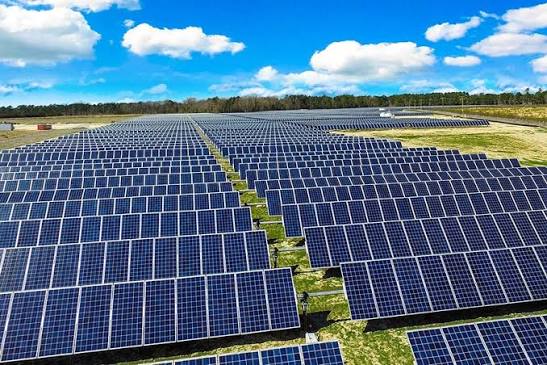
In recent years, the global emphasis on sustainable energy solutions has intensified significantly. Among the various renewable energy technologies available, photovoltaic panels-commonly known as solar panels or “panouri fotovoltaice” in Romanian-have emerged as one of the most effective and accessible options for both residential and commercial use. Installing panouri fotovoltaice offers a multitude of benefits that extend beyond immediate cost savings, providing long-term advantages that contribute to environmental preservation, financial stability, and energy independence.
One of the foremost benefits of installing panouri fotovoltaice is the substantial reduction in electricity bills over time. Solar panels harness sunlight to generate electricity, which means homeowners and businesses can produce their own power instead of relying solely on grid electricity supplied by utility companies. This self-generated power leads to significant savings because it directly offsets consumption from traditional sources, often resulting in dramatically lower monthly utility expenses. In regions with favorable sunlight conditions, such as Romania’s southern areas or other sun-rich locations globally, this effect is even more pronounced due to higher solar irradiance levels.
Beyond immediate monetary savings on electricity bills, panouri fotovoltaice also contribute to long-term financial gains through increased property value. Real estate studies have shown that homes equipped with solar panel systems tend to sell at higher prices compared to those without them. Prospective buyers recognize the advantage of having a built-in renewable energy system that promises reduced operational costs and enhanced sustainability credentials. As awareness about climate change grows among consumers worldwide, properties featuring green technologies like photovoltaic installations become increasingly attractive investments.
Another critical benefit lies in protecting against rising energy costs. Traditional fossil fuel-based electricity prices are subject to volatility driven by geopolitical tensions, supply constraints, and market fluctuations. This unpredictability can strain household budgets and corporate finances alike over extended periods. By contrast, once installed and operational, panouri fotovoltaice provide a stable source of free energy derived from sunlight-a resource that is abundant and inexhaustible under normal circumstances. Over decades-long lifespans typical for modern solar panel systems (often 25-30 years), users gain insulation from inflationary pressures impacting conventional power sources.
Environmental impact reduction represents an essential motivation behind adopting photovoltaic technology as well. The generation of electricity using fossil fuels releases significant quantities of greenhouse gases such as carbon dioxide (CO2), contributing heavily to global warming and climate change phenomena. Solar panels operate silently with zero emissions during their functioning phase; thus they help decrease overall carbon footprints substantially when integrated into everyday life or business operations. For environmentally conscious individuals or organizations striving toward sustainability goals or regulatory compliance related to emissions reductions targets-installing panouri fotovoltaice serves as a practical step forward.
Additionally, many governments provide incentives designed specifically for encouraging uptake of renewable energies like solar photovoltaics; these include tax credits, rebates on installation costs, feed-in tariffs where excess generated power can be sold back into the grid at remunerative rates-and sometimes low-interest financing options tailored for clean tech investments-all combining effectively reduce upfront expenditures associated with purchasing equipment and hiring professional installers.
From an operational perspective too there are advantages: modern photovoltaic systems require minimal maintenance once installed properly by qualified technicians ensuring optimal positioning relative to sun exposure angles throughout seasons thereby maximizing efficiency output year-round without frequent intervention needs unlike some alternative renewable setups requiring moving parts prone to wear-and-tear issues needing regular servicing.
Technological advancements continue driving improvements within the sector leading towards higher conversion efficiencies-the rate at which sunlight converts into usable electrical current-which translates directly into greater returns per square meter installed area reducing space requirements particularly important where roof sizes limit scalability potential while still achieving meaningful generation capacities adequate enough even for larger households or small-to-medium enterprises’ daily demands including lighting heating cooling appliances office equipment etc.