
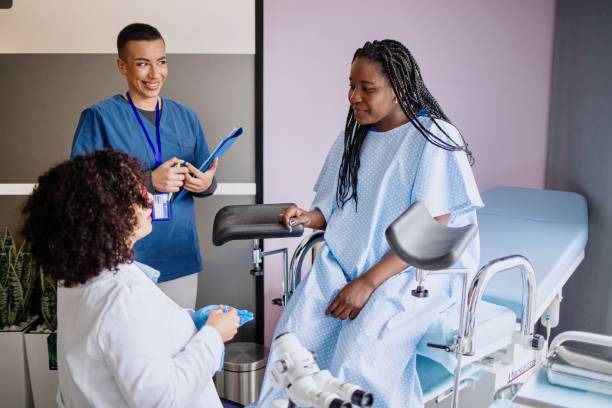
Male fertility problems affect a significant number of couples worldwide and can be caused by various factors related to sperm production, function, or delivery. Understanding these issues is essential for timely diagnosis and effective treatment. Common causes of male infertility include low sperm count, poor sperm motility, abnormal sperm morphology, hormonal imbalances, genetic conditions, infections, varicocele (enlarged veins in the scrotum), and lifestyle factors such as smoking, excessive alcohol consumption, stress, and exposure to environmental toxins. Sometimes medical treatments like chemotherapy or surgeries can also impair fertility.
The evaluation process typically begins with a detailed medical history and physical examination conducted by a healthcare professional specializing in reproductive health. Semen analysis remains the cornerstone diagnostic test to assess sperm concentration, motility, morphology, and volume. Additional tests may include hormone level assessments to check testosterone and other reproductive hormones that influence sperm production. Imaging studies such as scrotal ultrasound are useful for identifying structural abnormalities like varicoceles or blockages in the reproductive tract.
Treatment approaches depend on the underlying cause of infertility. In cases where lifestyle factors contribute significantly to reduced fertility potential, modifications such as quitting smoking, reducing alcohol intake, maintaining a healthy weight through diet and exercise can improve outcomes naturally over time. Hormonal therapies might be prescribed when endocrine disorders are detected; these aim to restore hormonal balance necessary for normal spermatogenesis.
Surgical interventions are often recommended when anatomical issues like varicocele or obstructions impair sperm delivery. Varicocelectomy involves repairing dilated veins within the scrotum which has been shown to improve semen parameters in many men. Blockages preventing ejaculation or transport of sperm may require microsurgical techniques to remove obstructions or retrieve sperm directly from testes if necessary.
Assisted reproductive technologies (ART) have revolutionized treatment options for treat male infertility especially when conventional methods fail or severe defects exist in spermatogenesis. Techniques such as intrauterine insemination (IUI) involve placing processed sperm directly into the uterus around ovulation time increasing chances of fertilization naturally inside the female body. More advanced procedures like in vitro fertilization (IVF) combined with intracytoplasmic sperm injection (ICSI) allow embryologists to inject a single healthy sperm directly into an egg under laboratory conditions ensuring fertilization even with very low quality semen samples.
Psychological support is also important during this journey since fertility challenges can cause emotional distress affecting relationships and overall well-being. Counseling services help couples cope with anxiety associated with diagnosis and treatment processes while promoting positive communication between partners.
In summary, male fertility problems arise from diverse causes requiring individualized assessment followed by targeted therapies ranging from lifestyle changes through medical intervention up to assisted reproduction techniques depending on severity levels encountered during evaluation phases leading towards successful conception outcomes whenever possible.
Head Office
168, BSNL Road, Near BSNL office, Sector 3, Hiran magri, Udaipur, Rajasthan 313001
Call
+91 90018 38800
+91 90019 97440
Email Us
dralkaivf01@gmail.com
Operating Hours
Mon – Sat 9 AM – 6 PM
Sunday 9 AM – 4 PM