
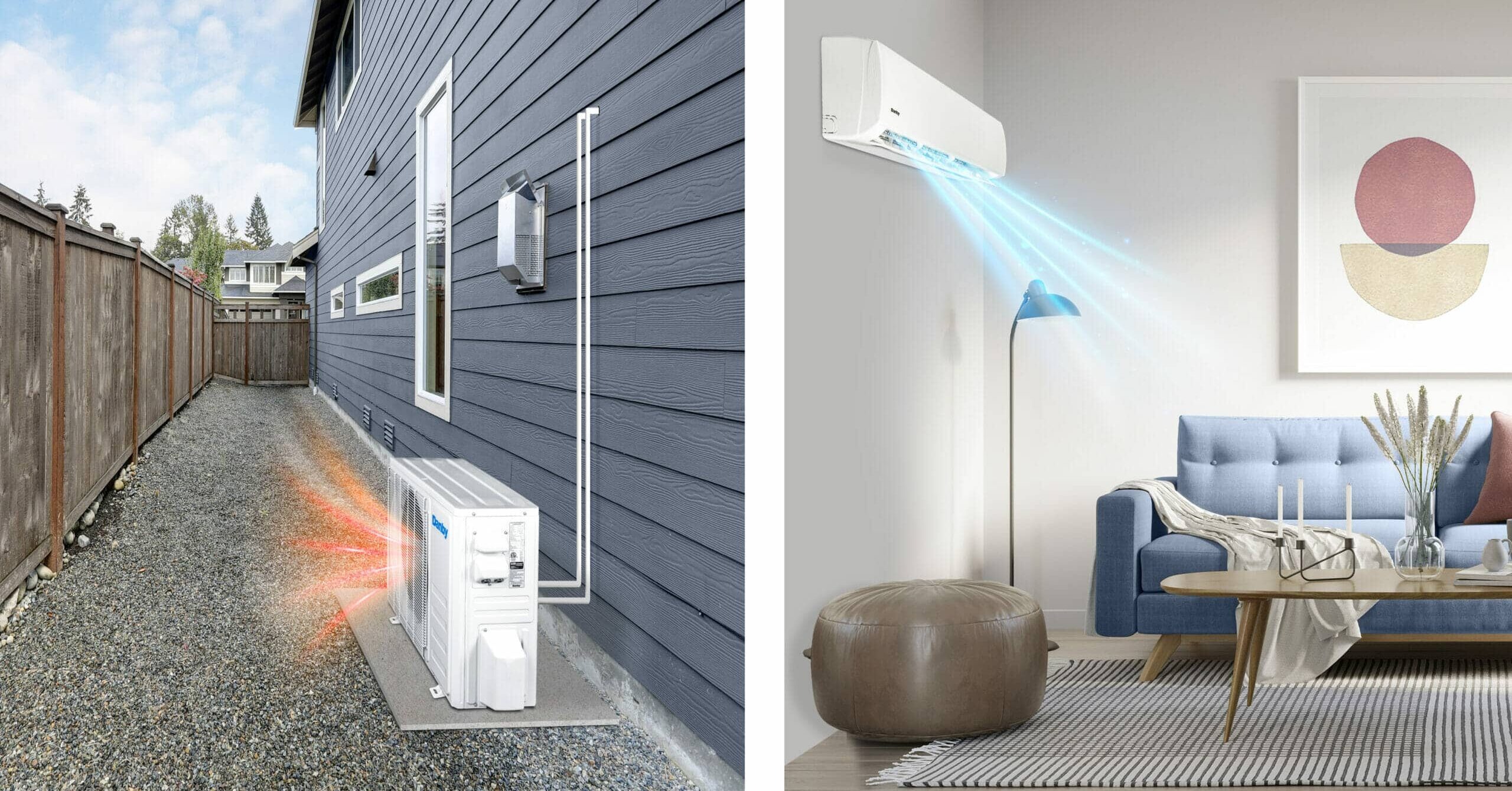
Choosing the right mini split system can significantly improve your home’s comfort and energy efficiency. Mini splits are versatile heating and cooling units that consist of an outdoor compressor and one or more indoor air handlers. They offer a flexible alternative to traditional HVAC systems, especially in spaces without ductwork. To select the best mini split, several key factors must be considered to ensure optimal performance and value.
First, assess your space’s size and layout. Mini splits come with varying capacities measured in BTUs (British Thermal Units), which indicate their heating or cooling power. Selecting a unit with the appropriate BTU rating is crucial; an undersized system will struggle to maintain comfortable temperatures, while an oversized one may cycle frequently, reducing efficiency and lifespan. It is advisable to calculate the square footage of the area you want to condition and consult sizing guides or professionals for accurate recommendations.
Energy efficiency is another important consideration. Look for models with high Seasonal Energy Efficiency Ratio (SEER) ratings for cooling performance and Heating Seasonal Performance Factor (HSPF) ratings for heating efficiency. Higher ratings translate into lower energy consumption and reduced utility bills over time. Many modern mini splits also feature inverter technology, which adjusts compressor speed dynamically, providing consistent temperature control while minimizing energy use.
The number of indoor units depends on how many rooms require conditioning. Single-zone systems serve one room or open area, whereas multi-zone configurations allow multiple air handlers connected to a single outdoor unit, enabling independent temperature control across different spaces. This flexibility enhances comfort but may increase installation complexity and cost.
Installation quality plays a vital role in system effectiveness. Professional installation ensures proper refrigerant charge, correct placement of indoor units for optimal airflow, secure mounting of outdoor components away from obstructions or excessive noise exposure, as well as appropriate electrical connections meeting local codes. Poor installation can lead to decreased performance and frequent maintenance issues.
Additional features worth considering include smart thermostats compatible with mobile apps for remote operation, quiet operation levels suitable for bedrooms or offices, air filtration capabilities improving indoor air quality by reducing allergens or dust particles, as well as warranty terms offered by manufacturers that reflect confidence in product durability.
In summary, selecting the best Mini Split involves evaluating space requirements accurately, prioritizing energy-efficient models with suitable capacity ratings while considering single-versus multi-zone needs based on usage patterns. Ensuring professional installation along with desired additional features completes the process toward achieving reliable year-round climate control tailored specifically to your home environment’s demands. Taking these steps carefully will help you invest wisely in a comfortable living space that balances performance with cost-effectiveness effectively over time.