
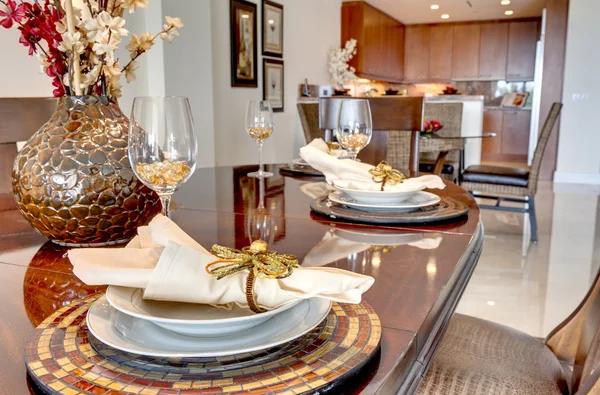
In the realm of real estate, staging has emerged as a pivotal tool in transforming properties into irresistible havens for potential buyers. With the market becoming increasingly competitive, premium staging trends have evolved to ensure that homes not only stand out but also resonate with prospective owners on an emotional and aesthetic level. From lighting to layout, these trends are reshaping how spaces are perceived and valued.
One of the most significant aspects of modern home staging is lighting. Gone are the days when a basic overhead light sufficed; today’s premium staging incorporates layered lighting strategies to create depth and warmth within a space. The use of ambient, task, and accent lighting allows each room to tell its own story while highlighting architectural features or design elements that might otherwise go unnoticed. For instance, pendant lights over kitchen islands or strategically placed floor lamps in living areas can significantly enhance both functionality and ambiance.
Another trend gaining traction is the intentional use of natural light. Stagers now prioritize maximizing sunlight by using sheer window treatments that allow for ample daylight without compromising privacy. This approach not only makes spaces feel larger but also connects indoor environments with nature—a feature increasingly sought after by uncover more eco-conscious buyers.
Layout optimization remains at the heart of successful home staging. Open floor plans continue to dominate buyer preferences; however, there’s an art to arranging furniture so that it defines distinct zones without disrupting flow. Premium stagers often employ rugs or varying flooring materials to subtly delineate areas such as dining from living spaces while maintaining cohesiveness throughout.
Moreover, multifunctional furniture pieces have become staples in staged homes as they cater to diverse lifestyle needs without cluttering rooms. A convertible sofa bed or extendable dining table can demonstrate versatility—an attractive quality for families looking for adaptability in their future homes.
Color palettes used in premium staging tend toward neutral tones accented by bold pops of color through accessories like cushions or artwork. This strategy creates a sophisticated base while allowing personal expression through interchangeable elements—a critical consideration given potential buyers’ varied tastes.
Sustainability is another key aspect influencing current staging practices. Eco-friendly materials such as reclaimed wood furnishings or organic textiles appeal not only aesthetically but also ethically—aligning with growing consumer awareness around environmental impact.
Lastly, technology integration cannot be overlooked in today’s high-end stagings where smart home features elevate perceived property value significantly. Demonstrating automated systems like climate control or security during viewings offers tangible benefits that savvy buyers find hard to resist.
In conclusion, premium home staging has transcended traditional norms by embracing innovative techniques from strategic lighting solutions and optimized layouts to sustainable designs and smart technologies—all aimed at crafting inviting yet functional environments tailored for discerning modern homeowners.